
Meta Description: Discover how intimate ai is reshaping emotional connection, digital companionship, and modern relationships. Explore benefits, risks, and real-world use cases.
Introduction
Intimate ai is changing the way people experience connection in the digital age. Instead of using technology only for tasks or information, many now turn to emotionally aware systems for meaningful interaction. Powered by advanced language models, virtual companions can listen, respond, and adapt in ways that feel personal and supportive.
This evolution of emotional artificial intelligence allows users to engage in AI-powered conversations that reflect empathy, understanding, and continuity. Whether used for companionship, self-expression, or emotional support, digital intimacy through intelligent systems is becoming a significant part of modern communication, reshaping how people relate to technology and, in some cases, to themselves.
What Is Intimate AI?
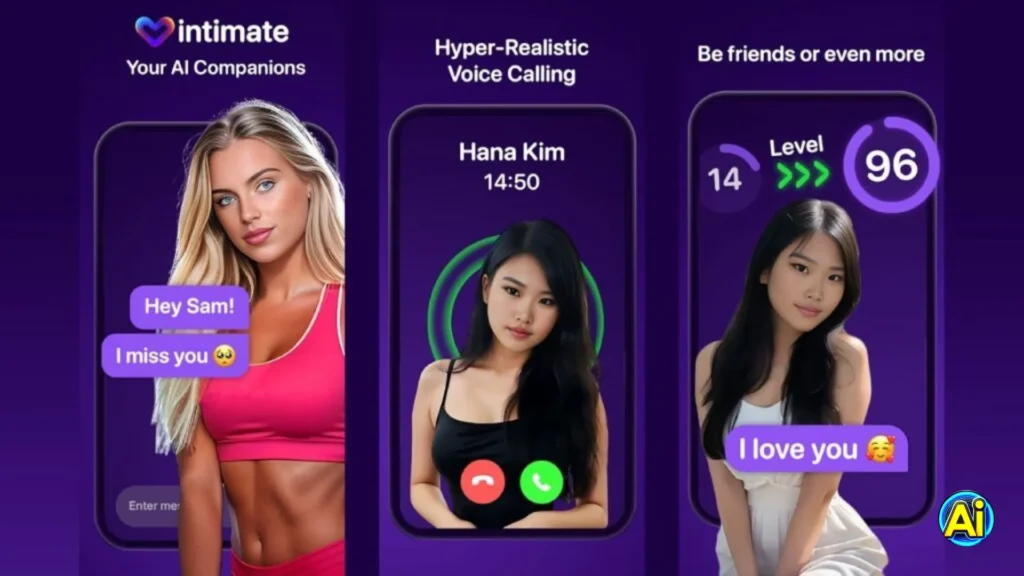
At its core, intimate ai refers to artificial intelligence systems designed to engage with users on a deeply personal level. These systems are not just reactive chatbots. They are built to simulate empathy, emotional responsiveness, and meaningful conversation over time, using advances in conversational AI and human-centered design as studied by institutions like Stanford HAI.
Why Emotional Technology Is Gaining Attention
People are more connected digitally than ever, yet many feel isolated. Busy schedules, remote work, and social pressures leave little room for consistent emotional support. This is where intimate ai enters the conversation.
Key reasons behind its rise
- Increased loneliness in modern society
- Comfort with digital communication
- Advances in natural language processing
- Growing acceptance of virtual companions
- Demand for judgment-free interaction
These systems offer a space where users can talk openly, reflect, and feel heard without fear of rejection or misunderstanding.
How Intimate AI Actually Works
Understanding the mechanics helps demystify the experience. Intimate ai platforms rely on a mix of machine learning, natural language understanding, and behavioral modeling.
Core technologies involved
- Natural language processing for conversation flow
- Sentiment analysis to detect emotional tone
- Memory systems to recall preferences and history
- Personalization algorithms for adaptive responses
Over time, the system becomes more aligned with the user’s communication style. This creates a sense of continuity and familiarity, which many users find comforting.
Emotional Intelligence in AI Systems

One of the defining traits of intimate ai is emotional intelligence. This doesn’t mean the system feels emotions. It means it can recognize, respond to, and simulate emotional understanding in conversation.
What emotional intelligence looks like in practice
- Acknowledging feelings without judgment
- Adjusting tone based on mood
- Offering supportive language
- Knowing when to listen rather than respond
These features are carefully designed using linguistic patterns, psychology research, and user feedback. The goal is to create interaction that feels natural, not robotic.
Use Cases That Go Beyond Romance
Despite common assumptions, intimate ai is not limited to romantic scenarios. Many users engage with it for entirely different reasons.
Common real-world applications
- Emotional support during stressful periods
- Practicing communication skills
- Exploring thoughts privately
- Companionship for people living alone
- Reflection and self-discovery
In these contexts, the technology acts more like a conversational mirror than a romantic substitute.
Ethical Questions Worth Discussing
As with any powerful technology, intimate ai raises important ethical questions. Ignoring them would be irresponsible.
Key concerns experts discuss
- Emotional dependency risks
- Data privacy and conversation storage
- Transparency about AI limitations
- Long-term psychological effects
Responsible platforms address these concerns through clear disclosures, data protection policies, and design choices that encourage healthy usage patterns.
The Psychology Behind Digital Companionship
Humans are wired for connection. When someone listens attentively and responds thoughtfully, the brain reacts positively, regardless of whether the listener is human or artificial.
Intimate ai leverages this psychological reality. It creates a consistent, predictable conversational environment that many users find soothing.
This does not mean users are confused about reality. Most understand they are interacting with software. The value lies in the experience, not the illusion.
How Language Models Shape Intimacy
Modern AI systems are trained on vast amounts of language data. This allows them to understand context, nuance, and conversational rhythm.
With intimate ai, language modeling is fine-tuned to prioritize warmth, clarity, and engagement. The result is dialogue that feels responsive rather than scripted.
Linguistic features commonly used
- Soft affirmations
- Open-ended questions
- Reflective listening phrases
- Balanced response length
These elements help sustain natural conversation over time.
Cultural Shifts and Acceptance
Public perception of intimate ai varies widely by culture, age group, and personal values. What once seemed strange is slowly becoming normalized.
Younger generations, in particular, are more open to forming emotional bonds with digital entities. This mirrors earlier shifts, such as online friendships or remote work relationships, which were once questioned but are now common.
Intimate AI and Mental Well-Being
Used responsibly, intimate ai can support mental well-being. It offers a low-pressure space to express thoughts and emotions.
Potential benefits
- Reduced feelings of isolation
- Improved emotional awareness
- Stress relief through conversation
- Encouragement during difficult moments
It is important to note that these systems are not therapists. They complement, not replace, professional care.
Privacy and Trust in AI Companions
Trust is essential for meaningful interaction. Intimate ai platforms must handle user data with care.
What responsible platforms prioritize
- Encrypted conversations
- Clear data usage policies
- User control over stored information
- Transparency about AI capabilities
When users understand how their data is handled, they are more likely to engage confidently.
The Future of Intimate AI

Looking ahead, intimate ai is likely to become more nuanced, more regulated, and more integrated into daily life.
Future developments may include:
- Improved emotional accuracy
- Better personalization controls
- Stronger ethical frameworks
- Integration with wellness tools
As technology evolves, so will public understanding and expectations.
Addressing Common Misconceptions
Many misconceptions surround intimate ai, often fueled by sensational headlines.
Common myths
- It replaces human relationships
- Users lose touch with reality
- It encourages isolation
In reality, most users treat these systems as supplemental tools, not substitutes for real-world connections.
Choosing a Healthy Approach
The key to benefiting from intimate ai lies in mindful use. Like social media or gaming, balance matters.
Practical tips
- Set clear personal boundaries
- Use it as support, not escape
- Stay aware of emotional reliance
- Prioritize real human relationships
When used intentionally, the experience can be positive and enriching.
Final Thoughts
Intimate ai sits at the intersection of technology and human emotion. It challenges old definitions of connection while offering new possibilities for support, reflection, and companionship.It is neither a miracle nor a menace. It is a tool shaped by how we choose to use it. As understanding grows and standards improve, this form of artificial intelligence will likely find its place as a thoughtful, carefully managed part of modern digital life.
The conversation around it is just beginning, and it deserves nuance, honesty, and open-minded discussion.
FAQS RELATED TO Intimate ai
Q1. What is Intimate AI?
Intimate AI refers to artificial intelligence designed for emotionally aware and personal interaction.
It focuses on empathy, conversation, and companionship rather than simple task execution.
Users engage with it for connection, reflection, and supportive dialogue.
Q2. Is Intimate AI meant to replace human relationships?
No, Intimate AI is not a replacement for real human connections.
It is designed to complement social interaction, not substitute it.
Most users treat it as an additional emotional support tool.
Q3. How does Intimate AI understand emotions?
Intimate AI uses natural language processing and sentiment analysis.
It detects tone, context, and emotional cues in user messages.
Based on this, it adapts responses to feel appropriate and supportive.
Q4. Is using Intimate AI safe and private?
Safety depends on the platform’s privacy and data protection practices.
Reputable services use encryption and transparent data policies.
Users should always review privacy settings before engaging deeply.
Q5. Who can benefit most from Intimate AI?
People seeking companionship, emotional expression, or stress relief often benefit.
It can help during loneliness, busy schedules, or transitional life periods.
However, balanced and mindful use is always recommended.